Z licealnej ławki do firmy przyszłości
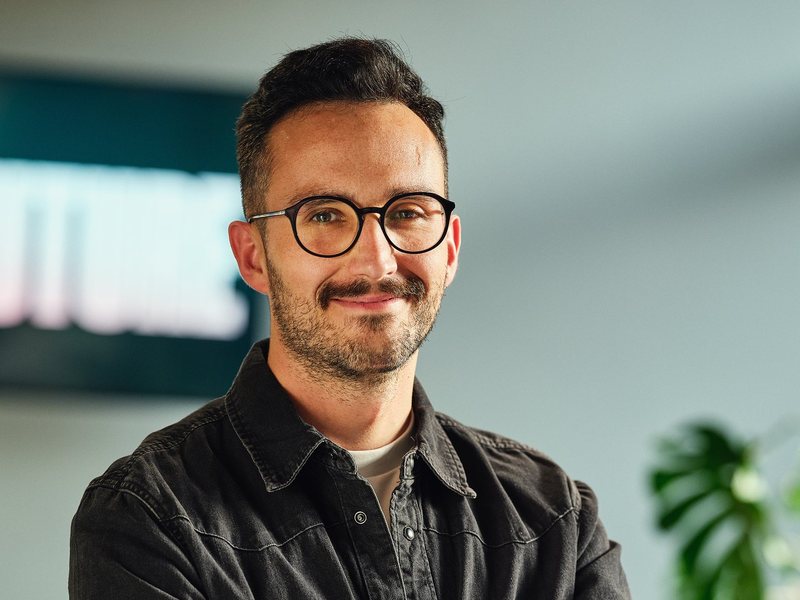
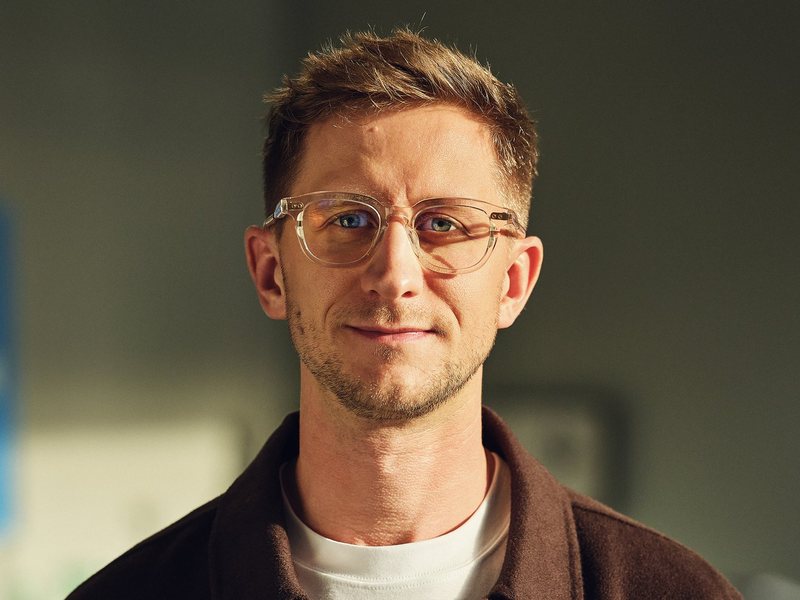
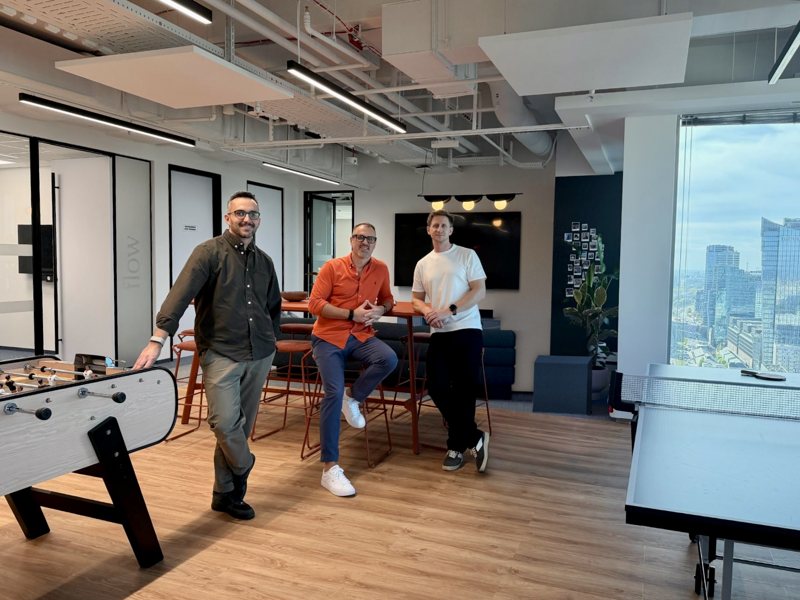
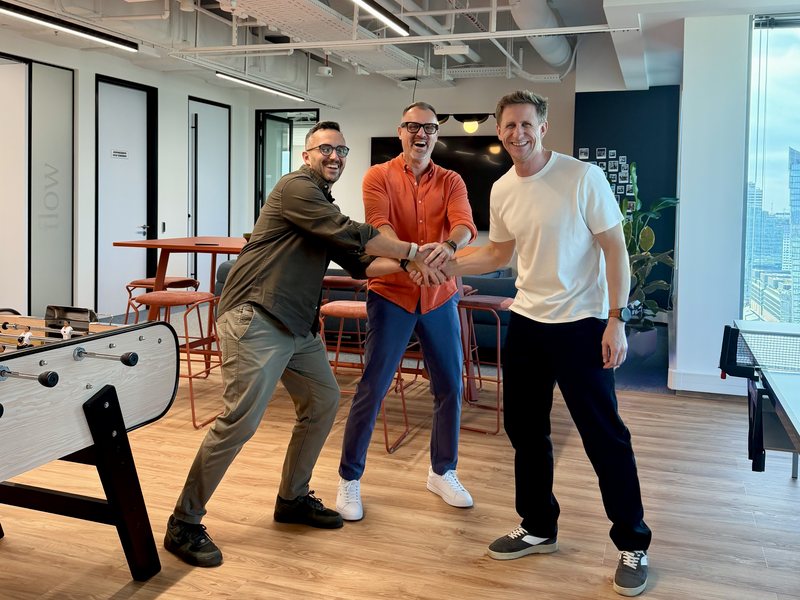
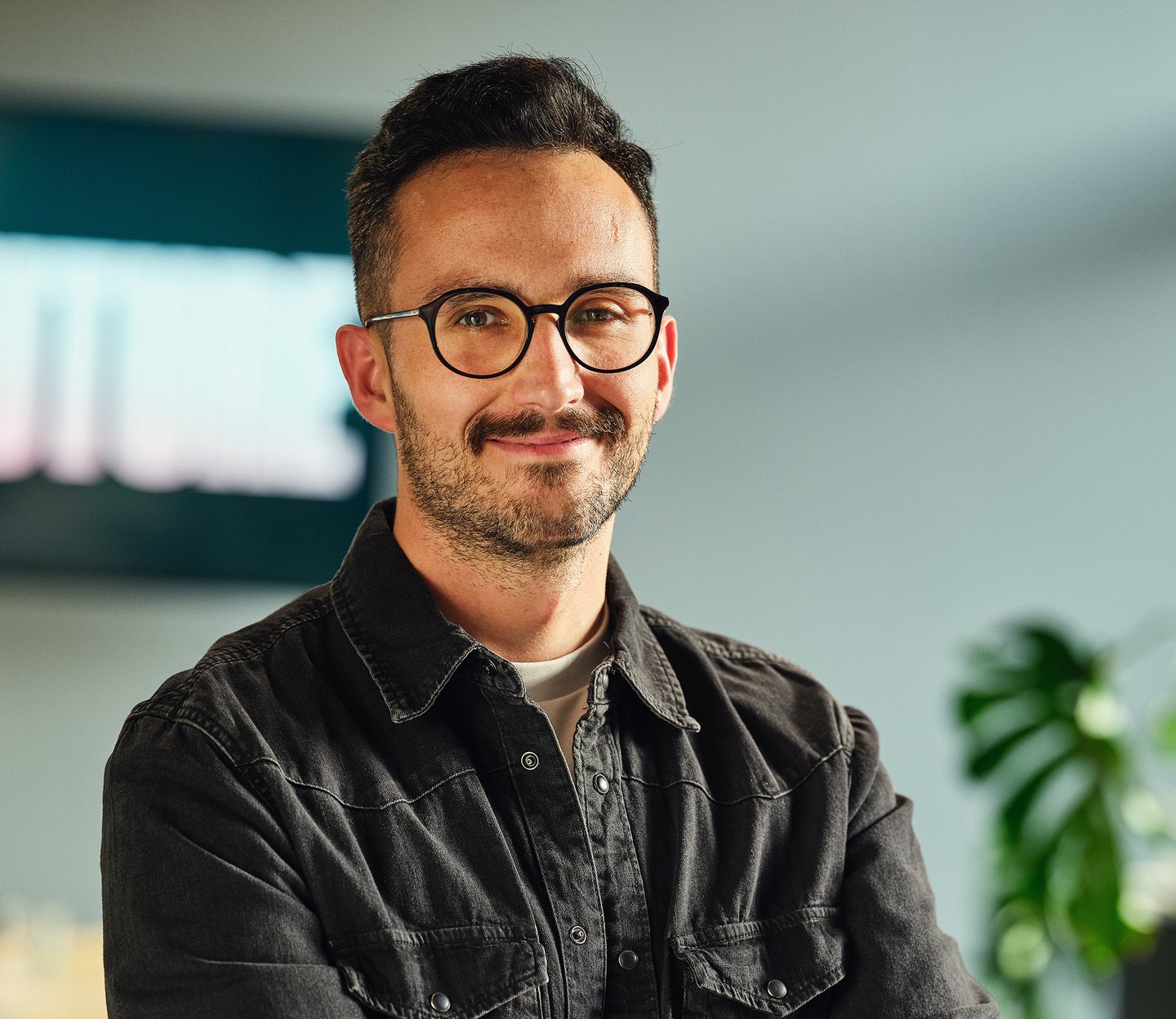
Maciej Rutkowski przez lata projektował architektury danych i prowadził projekty Data & AI w PwC i Accenture, w Polsce i Wielkiej Brytanii. Ignacy Bochiński współtworzył grupę KERRIS, w tym software house 300.codes, i od ponad dekady budował zespoły pracujące dla dużych organizacji i polskich firm. W 2024 roku połączyli te doświadczenia we wspólnej firmie. Od początku założyli, że WeAreFuture będzie rosła silnikiem AI, a nie liczbą etatów, i że sama będzie pracować tak, jak doradza klientom.
Znamy się od liceum, więc wiemy, jak się nawzajem uzupełniamy. Obaj patrzymy na AI jak przedsiębiorcy: liczy się, co firma z niego ma. Maciej wie, jak zbudować rozwiązanie, które działa na danych klienta, a ja, jak usiąść z zarządem i ustalić, od czego zacząć i jak zmierzymy efekt. Przez pierwsze dwa lata sprawdziliśmy ten model u klientów i na sobie.”
 Ignacy Bochińskiwspółzałożyciel WeAreFuture
Firma zaczynała od warsztatów dla zarządów i programów adopcji AI, a potem przyszły pierwsze rozwiązania agentowe u polskich klientów. W 2025 roku WeAreFuture została partnerem merytorycznym Centrum Kompetencji AI Polskiego Funduszu Rozwoju i współtworzyła pierwszy certyfikowany program AI w standardzie DIMAQ w IAB Polska. W 2026 roku dołączyła do programów partnerskich Microsoft, Anthropic, OpenAI i Databricks, a AI Engine, który buduje klientom, zaczęła stosować we własnej firmie. Z każdym projektem przenosi na silnik więcej pracy, więc rośnie bez dokładania kolejnych warstw ludzi.
Nie chcemy firmy, w której podwojenie przychodów wymaga podwojenia liczby konsultantów. Pracę, którą w klasycznym consultingu wykonują juniorzy na koszt klienta, u nas coraz częściej wykonują agenci pod nadzorem doświadczonych ekspertów, a każdy wynik ktoś sprawdza, zanim trafi do klienta. Najpierw sprawdzamy to na sobie, dopiero potem proponujemy klientom.”
 Maciej Rutkowskiwspółzałożyciel i CEO WeAreFuture
Trzecie ogniwo
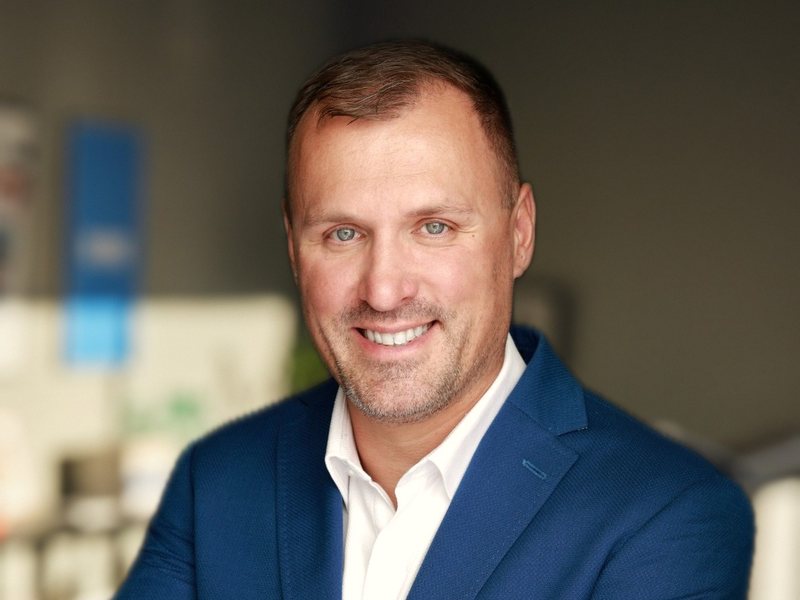
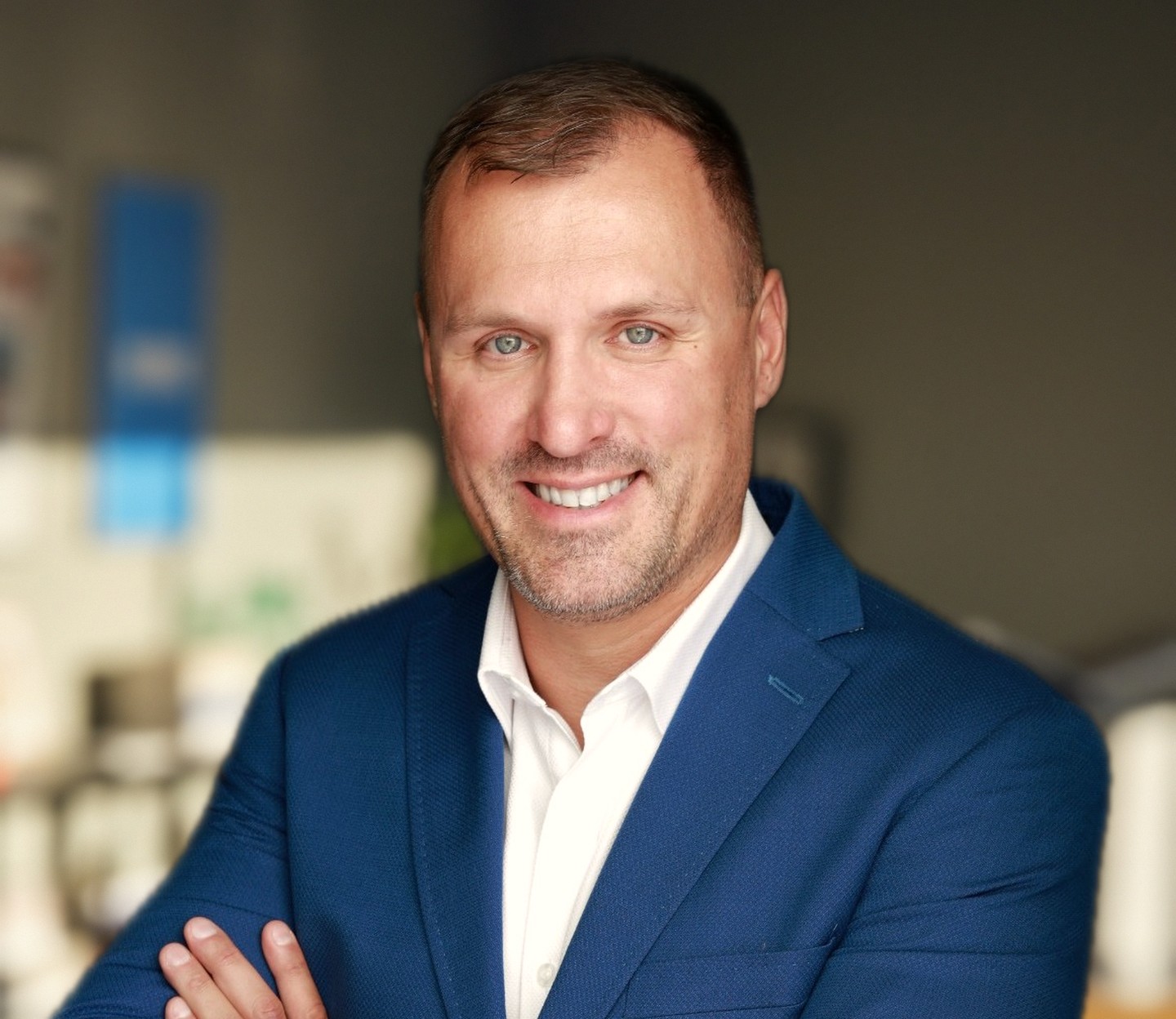
Krzysztof Kowalski dołącza do WeAreFuture jako partner, żeby wspólnie z Maciejem i Ignacym przyspieszyć rozwój firmy na jej kolejnym etapie. Od ponad 20 lat zamienia technologię we wzrost firm. W mBanku, jednym z pierwszych w Europie w pełni cyfrowych banków, wprowadzał bankowość mobilną, zanim pojawił się iPhone. Współtworzył od zera bank cyfrowy ZUNO, a w Raiffeisen Polbanku prowadził transformację cyfrową całego banku. W grupie fintech Creamfinance odpowiadał za sprzedaż i przychody w ośmiu krajach Europy i Ameryki Łacińskiej, a z Dubaju rozwijał cyfrowe portfele i płatności dla Bliskiego Wschodu i Afryki. Jako CEO grupy flotowej, partnera joint venture z Boltem oraz platform takich jak Uber, Glovo i Wolt, w dwa lata zwiększył przychody grupy o ponad 40%, do 700 mln zł. Zna obie strony stołu: w EY doradzał firmom, jak wygrywać, gdy zmienia się technologia, a przede wszystkim sam, od środka, przekładał technologię na przychody i zyski.
„Krzysztof przez lata robił to, co dziś obiecujemy klientom: pomagał firmom rosnąć i wygrywać na rynku dzięki technologii. Był z nami przy każdej ważnej decyzji ostatnich tygodni, od analizy rynku, przez nową strategię, po stronę, którą dziś pokazujemy. Dla nas to naturalny krok” - dodaje Rutkowski.
Nowa strategia: kontekst zamiast kolejnych narzędzi
Wiele firm ma już narzędzia AI, agentów i automatyzacje, ale agent podłączony do jednego systemu usprawnia tylko wycinek biznesu. Każdy dostawca wnosi własnego agenta, a żaden nie wie, jak działa firma: jakie ma zasady, kto zatwierdza wyjątki i dlaczego decyduje tak, a nie inaczej. Dlatego WeAreFuture zaczyna od wiedzy, a nie od narzędzia.
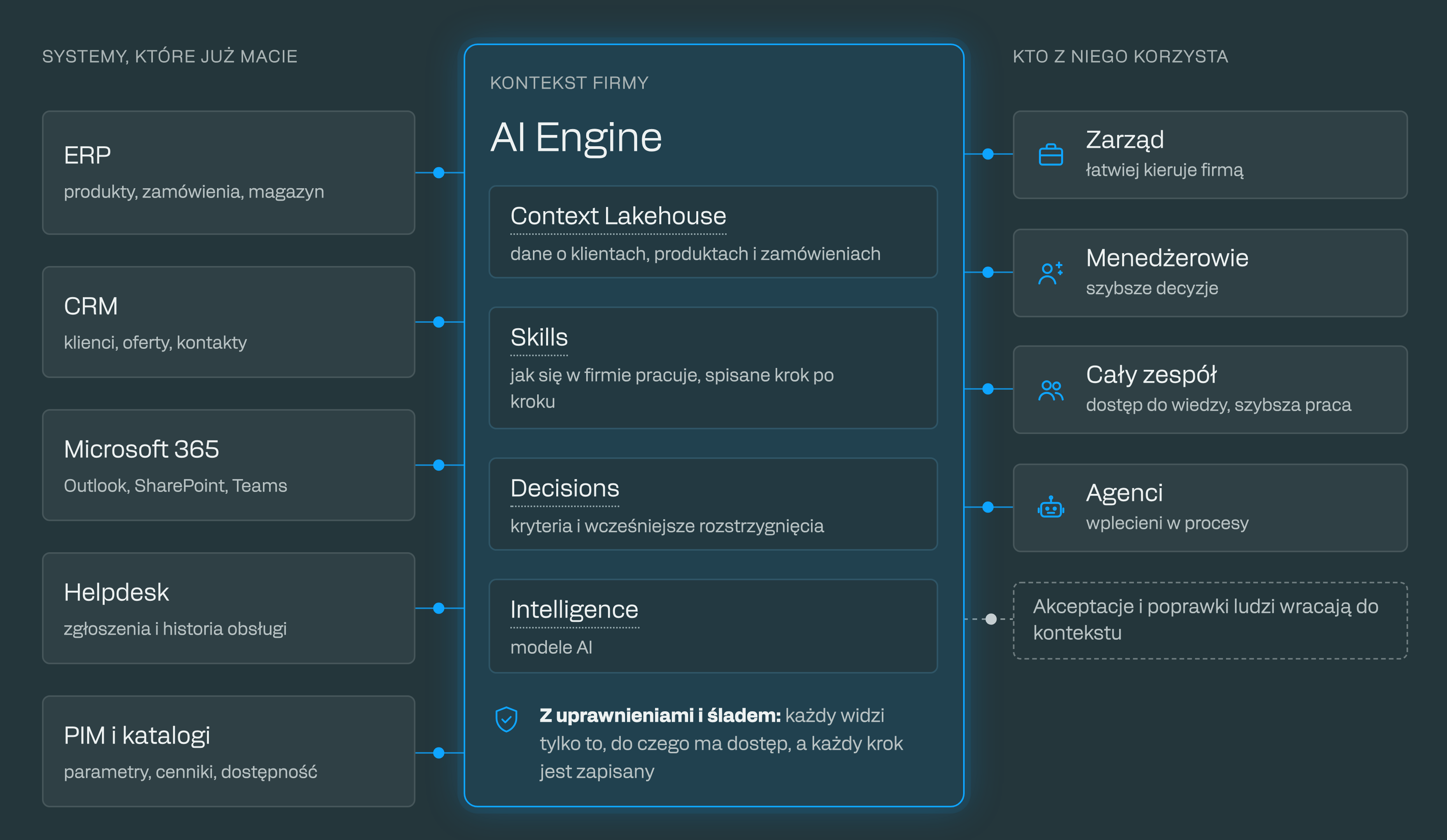
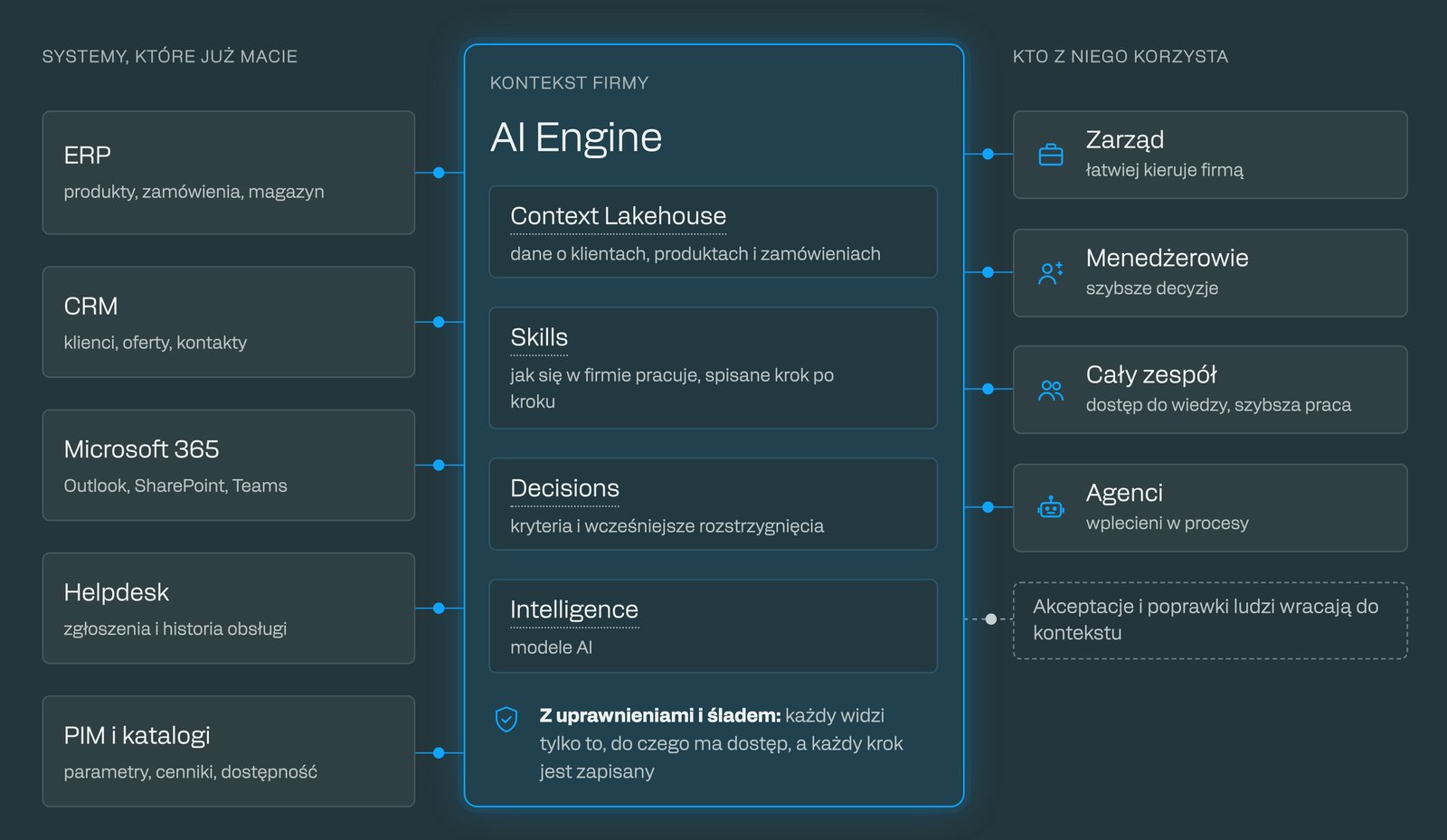
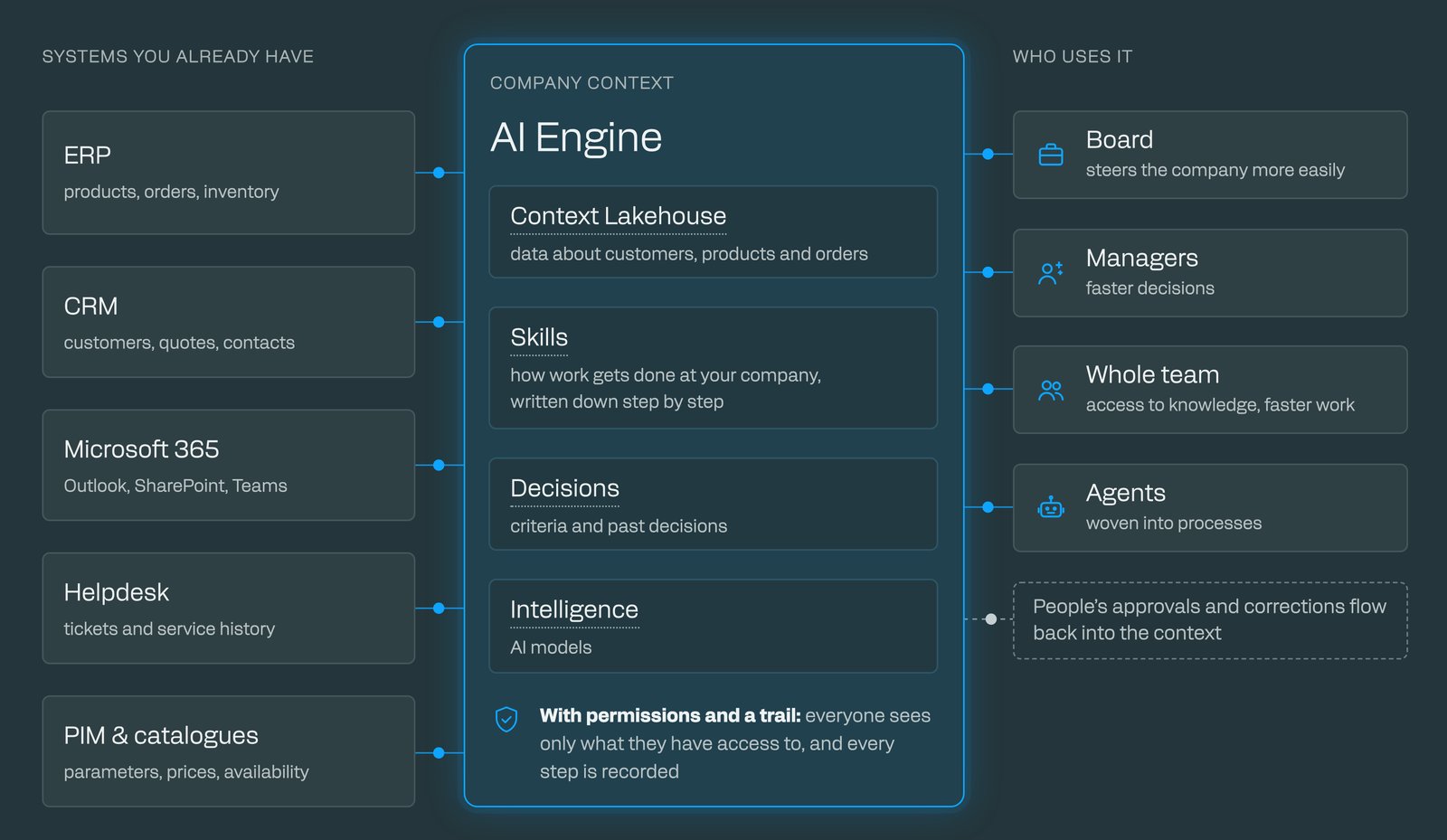
Buduje u klientów AI Engine: jeden kontekst firmy, który łączy dane, procedury, zasady decyzji i systemy, takie jak ERP, CRM i Microsoft 365. Korzystają z niego ludzie z asystentem AI i agenci, zarówno WeAreFuture, jak i innych dostawców. Wiedza rośnie z każdym zadaniem, a zmianę zatwierdza właściciel procesu. Punktem startu może być program adopcji AI w zespołach, pierwszy agent, na przykład do ofertowania, albo fundament danych. Każdy kolejny krok korzysta z tego, co zbudowano na starcie. Model AI jest wymienny, a dane, procedury i kryteria decyzji zostają własnością firmy.
WeAreFuture pracuje z firmami z historią, które często działają od 10, 20 czy 50 lat, mają pozycję w swojej branży i chcą tworzyć jej przyszłość. Najczęściej są to firmy B2B: produkcja, handel i dystrybucja. Do każdej wchodzi konsultant biznesowy i inżynier AI, a za nimi stoi cały silnik WeAreFuture. Zostają, aż zmiana zacznie działać.
Przykłady z realizacji: w firmie produkcyjnej klient czekał na ofertę średnio 7-8 dni, a dziś zapytania obsługiwane przez agenta ofertowego dostają ją w ciągu doby, po sprawdzeniu przez handlowca. W firmie farmaceutycznej program adopcji podniósł korzystanie z wewnętrznego asystenta AI z 10% do 87%.
Cel: 1 miliard złotych dodatkowej wartości dla polskich firm
Do 2035 roku współpraca z WeAreFuture ma przynieść polskim firmom łącznie 1 miliard złotych dodatkowej wartości. Przed startem każdego projektu WeAreFuture spisuje z klientem punkt wyjścia i oczekiwany cel biznesowy, a po wdrożeniu mierzy efekt w trzech obszarach: oszczędność czasu, wzrost sprzedaży i przychodów oraz to, jak wdrożenie uwolniło ukryty potencjał organizacji, na przykład projekty, na które wcześniej brakowało czasu albo ludzi. Każdy projekt dokłada swoją część do wspólnej sumy, ale liczą się tylko te, które przyniosły klientowi wartość zaplanowaną na starcie. Co roku WeAreFuture podsumuje, o ile przybliżyło to polskie firmy do celu, i pokaże to w raporcie z danymi zbiorczymi, pierwszy raz za rok 2026. Wyniki konkretnych firm publikuje tylko za ich zgodą.
„Chcemy, żeby polskie firmy budowały dzięki AI wartość, a nie traktowały go jako kolejny koszt czy narzędzie IT. Naszym celem nie jest nasz przychód, tylko wynik naszych klientów: większa sprzedaż, wyższe marże i oszczędzony czas. Dlatego miliard jest naszym najważniejszym celem, a co roku pokażemy, ile dodatkowej wartości wypracowali z nami klienci WeAreFuture” - mówi Rutkowski.
Obelisk zamiast piramidy
Consulting skalował się piramidą analityków, software house liczbą programistów. WeAreFuture buduje obelisk: podstawą jest silnik, czyli dane i kontekst, pamięć wszystkich projektów, agenci i połączenia z systemami, a nad nim kilkunastoosobowy zespół, który odpowiada za efekt. Taki model przyciąga najlepsze talenty. Ludzie, którzy mogliby pracować w dowolnej firmie doradczej czy technologicznej, wybierają WeAreFuture, bo tu od pierwszego dnia budują rzeczy, których rynek jeszcze nie zna, i pracują z agentami AI zamiast nad powtarzalną pracą. Firmę prowadzi na takiej samej architekturze danych i agentów, jaką buduje u klientów. Każdy projekt zasila silnik nową wiedzą, a silnik oddaje ją kolejnemu projektowi. Wizja na najbliższe lata: wiodąca firma od agentowego AI i danych w Europie Środkowo-Wschodniej.
Widziałem, jak nowe technologie zmieniały całe branże: firmy, które przespały zmianę, znikały, a challengerzy wyrastali na liderów. Z AI będzie tak samo, tylko szybciej. Chcemy, żeby nasi klienci byli liderami tej zmiany i wygrali w swoich branżach.”
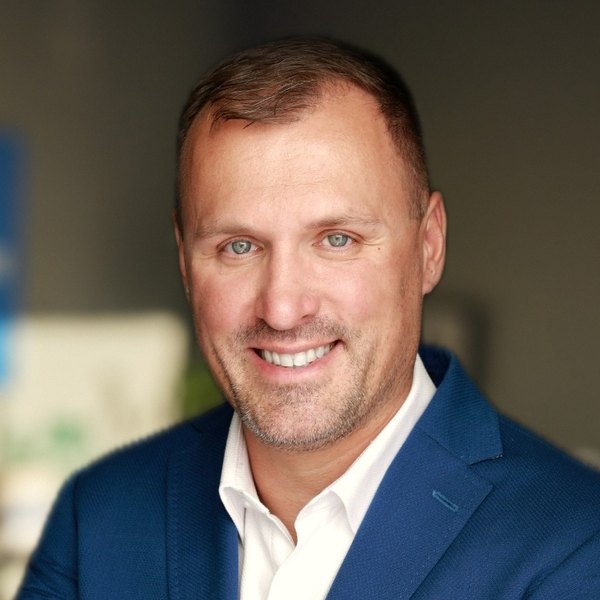 Krzysztof Kowalskipartner WeAreFuture
„Nie wiemy, które narzędzia będą najlepsze w 2030 roku ani jakie modele będą dominowały w 2035. Wiemy, że firmy nadal będą chciały rosnąć szybciej, działać sprawniej i podejmować lepsze decyzje. Budujemy u nich kontekst, którego nie da się kupić razem z licencją, i sami pracujemy tak samo. Dlatego trafiają do nas najlepsze talenty: chcą tworzyć przyszłość, a nie ją obserwować. Stąd nasza nazwa: we are future” - podsumowuje Bochiński.
From school friends to a company of the future
Rutkowski spent years designing data architectures and leading Data & AI projects at PwC and Accenture in Poland and the UK. Bochiński co-founded the KERRIS group, including the software house 300.codes, and spent more than a decade building teams for large organizations and Polish businesses. In 2024 they brought that experience together in a firm of their own. From the start, they set two rules: WeAreFuture would grow through its AI engine rather than headcount, and it would run itself the way it advises clients.
We’ve known each other since school, so we know exactly how we complement each other. We both look at AI as business owners: what counts is what the company gets out of it. Maciej knows how to build something that runs on a client’s own data. I know how to sit down with a board and agree where to start and how we’ll measure success. We spent our first two years testing this model, with clients and on ourselves.”
Ignacy Bochińskico-founder of WeAreFutureThe firm began with board workshops and AI adoption programmes before moving on to agentic systems for Polish clients. In 2025 it became a content partner of the AI Competence Centre at the Polish Development Fund (PFR) and co-created the first certified AI programme under IAB Polska’s DIMAQ standard. In 2026 it joined the partner programmes of Microsoft, Anthropic, OpenAI and Databricks, and began running its own business on the AI Engine it builds for clients. Each project shifts more work onto that engine, which lets the firm grow without adding layers of staff.
We don’t want to be a firm that has to double its consultants to double its revenue. In traditional consulting, juniors do much of the work at the client’s expense. Here, more and more of it is done by agents supervised by experienced experts, and a person checks every result before it goes to the client. We try everything on ourselves first, and only then offer it to clients.”
Maciej Rutkowskico-founder and CEO of WeAreFutureThe third partner
Kowalski joins as a partner to accelerate the firm’s growth together with Rutkowski and Bochiński as it enters its next stage. He has spent more than two decades turning technology into business growth. At mBank, one of Europe’s first fully digital banks, he helped launch mobile banking before the iPhone existed. He helped build the digital bank ZUNO from scratch and led the bank-wide digital transformation at Raiffeisen Polbank. At the fintech group Creamfinance he ran sales and revenue across eight countries in Europe and Latin America, and from Dubai he built digital wallets and payments for the Middle East and Africa. As CEO of a fleet group that runs a joint venture with Bolt and works with platforms such as Uber, Glovo and Wolt, he grew revenue by more than 40% in two years, to PLN 700 million. He knows both sides of the table: at EY he advised companies on how to win when technology shifts, but above all he has turned technology into revenue and profit himself, from the inside.
“Kris has spent years doing what we now promise our clients: helping companies grow and win through technology. He has been part of every major decision over the past few weeks, from the market analysis and the new strategy to the website we are launching today. For us, this is a natural step,” adds Rutkowski.
New strategy: context instead of more tools
Most companies already have AI tools, agents and automations. But an agent plugged into a single system improves only a slice of the business. Every vendor ships its own agent, and none of them knows how the company actually works: its rules, who signs off exceptions, and why decisions go one way rather than another. So WeAreFuture starts with knowledge, not tools.
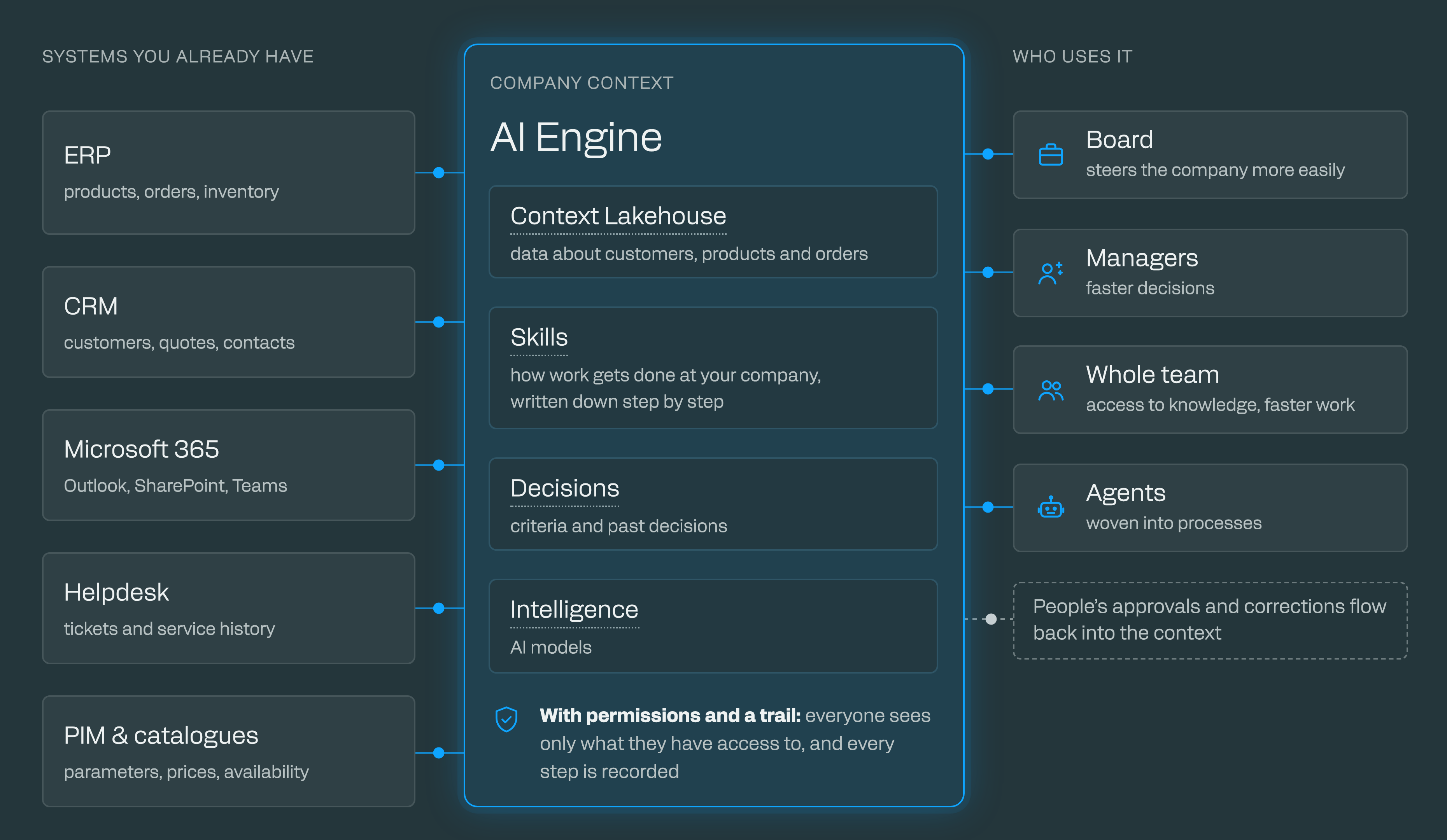
Inside client companies it builds the AI Engine: a single company context that connects data, procedures, decision rules and existing systems such as ERP, CRM and Microsoft 365. Employees using an AI assistant work from it, and so do agents, whether built by WeAreFuture or by other vendors. Knowledge grows with every task, and the process owner approves each change. Clients can start with an AI adoption programme, a first agent (for quoting, for example) or a data foundation, and every later step builds on that start. The AI model can be swapped; the data, procedures and decision criteria remain the client’s property.
The firm works with established companies, often 10, 20 or 50 years old, that hold a strong position in their sector and want to shape where it goes next. Most are B2B businesses in manufacturing, trade and distribution. Each engagement is led by an AI consultant and an AI engineer, backed by the full WeAreFuture engine, who stay until the change is working.
Two examples from client work. At a manufacturing company, customers used to wait seven to eight days for a quote; enquiries now handled by a quoting agent get one within a day, after a salesperson has checked it. At a pharmaceutical company, an adoption programme lifted use of the internal AI assistant from 10% to 87%.
The goal: PLN 1 billion in additional value for Polish companies
WeAreFuture’s goal is for its work to deliver a combined PLN 1 billion in additional value to Polish companies by 2035. Before each project, the firm and the client agree on a baseline and a business target. After delivery, the impact is measured in three areas: time saved, sales and revenue growth, and the untapped potential the work releases, such as projects there was previously no time or people for. Every project adds its share to the total, but only projects that deliver the value agreed at the outset count. Every year WeAreFuture will show how much closer this has brought Polish companies to the goal, in a report with aggregated figures, starting with 2026. Individual client results are disclosed only with the client’s consent.
“We want Polish companies to treat AI as a source of value, not as another cost line or IT tool. Our measure of success isn’t our own revenue but our clients’ results: higher sales, better margins and time saved. That’s why the billion is our most important target, and every year we’ll show how much additional value our clients have created with us,” says Rutkowski.
An obelisk, not a pyramid
Consulting firms have traditionally scaled through a pyramid of analysts, software houses through ever more developers. WeAreFuture is building an obelisk instead. At its base is the engine: data and context, the memory of every project, agents and connections to client systems. On top sits a team of a dozen-plus experts who own the outcome. The model is a draw for top talent. People who could work at any consultancy or technology firm choose WeAreFuture because from day one they build things the market hasn’t seen yet, and work alongside AI agents rather than on repetitive tasks. The firm runs on the same data and agent architecture it builds for clients: every project feeds the engine new knowledge, and the engine passes it on to the next. The ambition for the years ahead is to become the leading agentic AI and data company in Central and Eastern Europe.
I’ve watched new technologies reshape entire industries. Companies that slept through the shift disappeared, and challengers became the new leaders. AI will play out the same way, only faster. We want our clients to be the ones leading that change, and winning in their industries.”
Kris Kowalskipartner at WeAreFuture“We don’t know which tools will be best in 2030, or which models will dominate in 2035. We do know that companies will still want to grow faster, run more efficiently and make better decisions. We build them a context that can’t be bought with a licence, and we work the same way ourselves. That’s what attracts the best people: they want to create the future, not watch it. Hence our name: we are future,” concludes Bochiński.